
China proposes AI technology export controls: What the draft means
China proposes tighter controls on exports of key technologies, including AI models and agent technology. The draft is not yet a final ban.
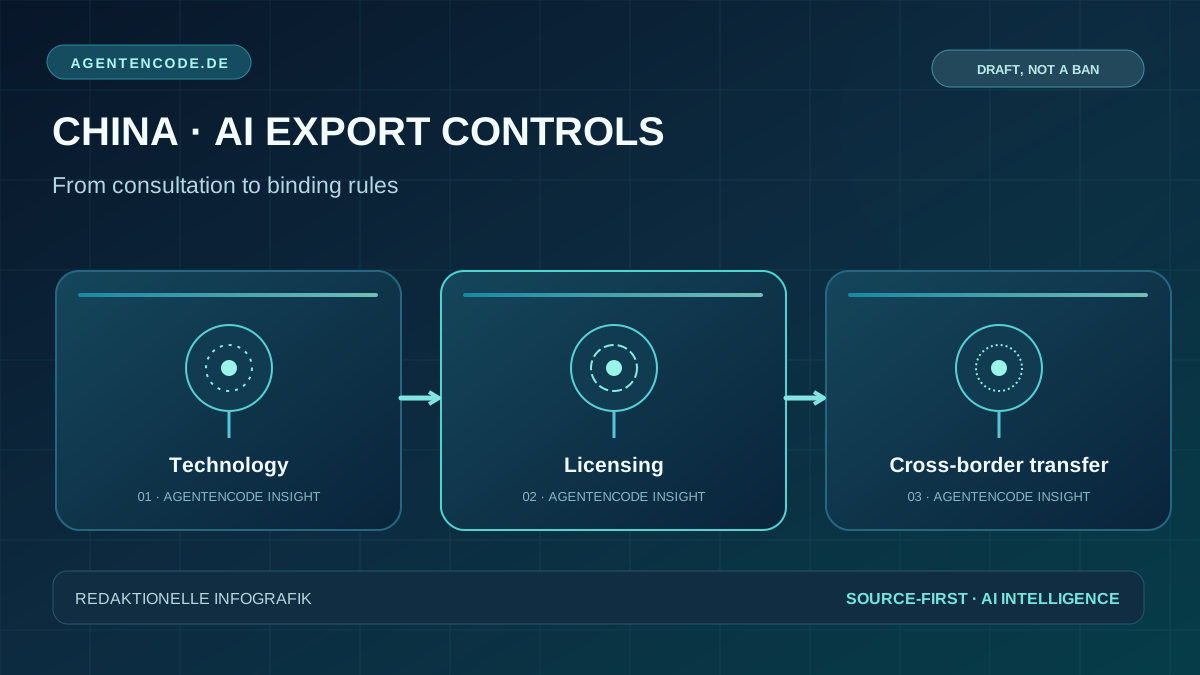
On October 18, 2026, China announced a draft framework for export controls covering key technologies, including AI models and AI agents according to reporting. This is a proposal open for comment, not an enacted blanket ban.
The newly proposed technology categories are subject to a consultation; the draft is not a final, comprehensive ban.
The proposal distinguishes prohibited exports from technology transfers requiring licences, without automatically blocking hosted AI services.
What's proposed
The draft lists 40 key technologies: 14 proposed export prohibitions and 26 licensing requirements, including 23 AI-related technologies according to reporting.
What this does not mean
The draft distinguishes technology transfers from finished AI services offered online. Details and eventual implementation may change.
Why it matters
Companies involved in international AI research or licensing may face future compliance questions. The announcement does not itself block individual AI tools.
What international teams should assess
The key distinction is between consuming a hosted AI service and transferring the underlying technology. Access to an online interface does not automatically mean receiving model weights, training methods or intellectual-property licences. Treating those situations as equivalent would overstate the impact of the proposal and confuse software procurement with export compliance.
For companies conducting cross-border research or licensing, a useful first step is to map which agreements transfer technical know-how, which teams collaborate across jurisdictions, and what actually crosses a border. Whether an activity eventually falls under control will depend on the final catalogue, defined exemptions and applicable licensing process. The draft alone does not establish that existing AI applications must be switched off.
Reporting on the consultation describes 40 key technologies, including 23 AI-related technologies. The draft proposes outright restrictions for 14 items and licensing for another 26. Public comments are possible until November 15, 2026. Those figures describe the proposed catalogue, not a blanket prohibition on Chinese AI products.
AgentenCode analysis
Our analysis: The key question is not whether users can open Chinese chatbots, but which technologies, model assets and licenses count as controlled transfers. Businesses should await the final legal text.
Sources and verification
We reviewed the linked original announcements and independent reporting. Claims are attributed; this article does not report independent product testing. The event date may precede today's publication date.