
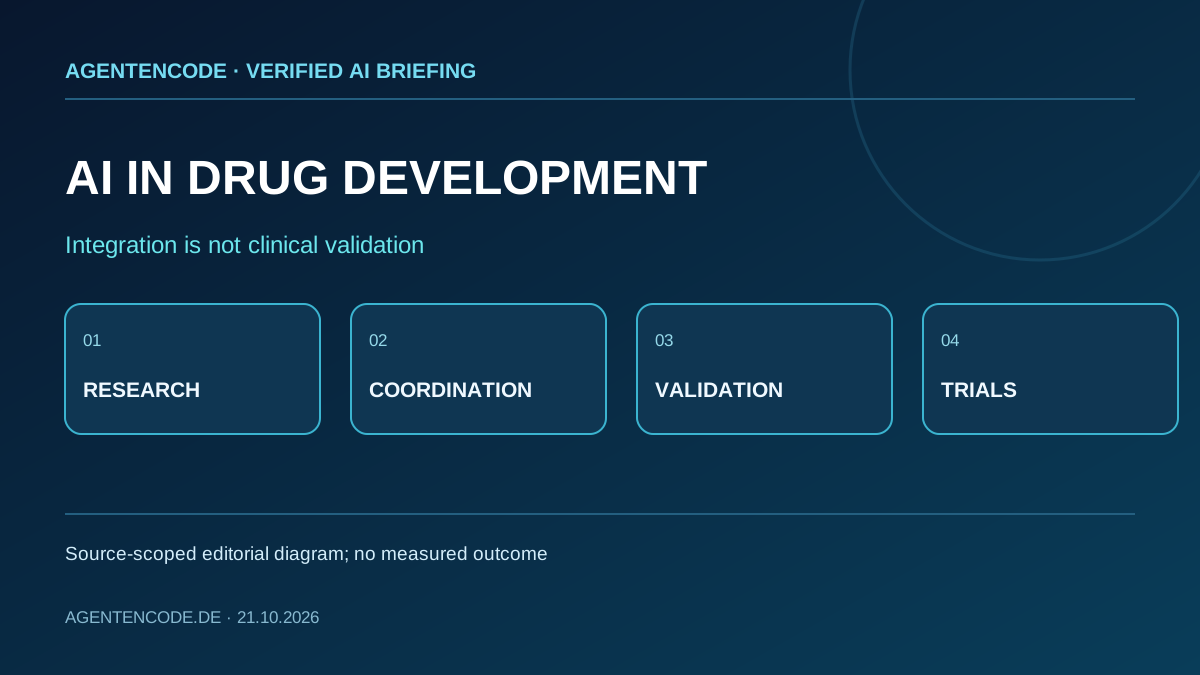
OpenAI acquires Orchestra Bio: What AI can prove in drug development
OpenAI combines Orchestra Bio with Rosalind. We separate documented drug-development workflows from unproven claims about faster treatments.
Read investigation →AgentenCode News
Important developments in AI models, agents, research and policy — clearly explained, backed by original sources and independent editorial context.
Read the latest newsCURRENT DEVELOPMENTS
Source-first AI reporting: claims, journalism and vendor promises are kept distinct, with evidence limits stated.
Page 3 of 5 · Stories 41–60 of 98. More source-based updates with links to independent analysis.
OpenAI combines Orchestra Bio with Rosalind. We separate documented drug-development workflows from unproven claims about faster treatments.
Read investigation →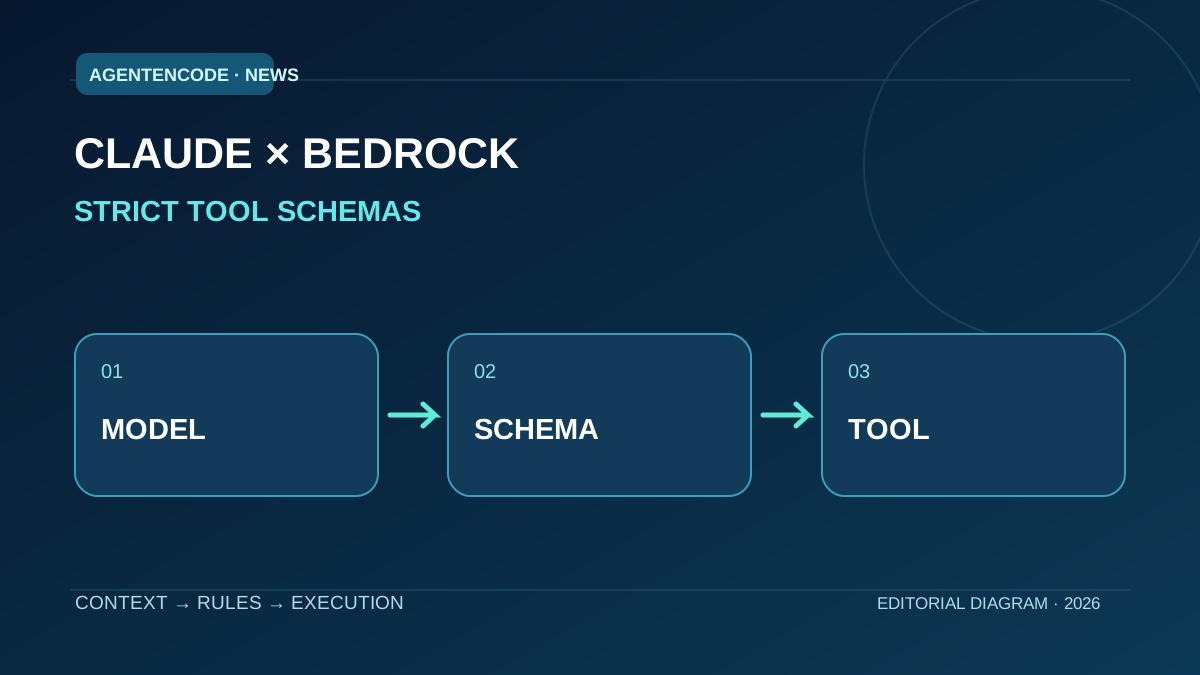
AWS adds structured Claude outputs and strict tool schemas to Bedrock. Why this matters for agents, plus a documented Mantle endpoint discrepancy.
Read article →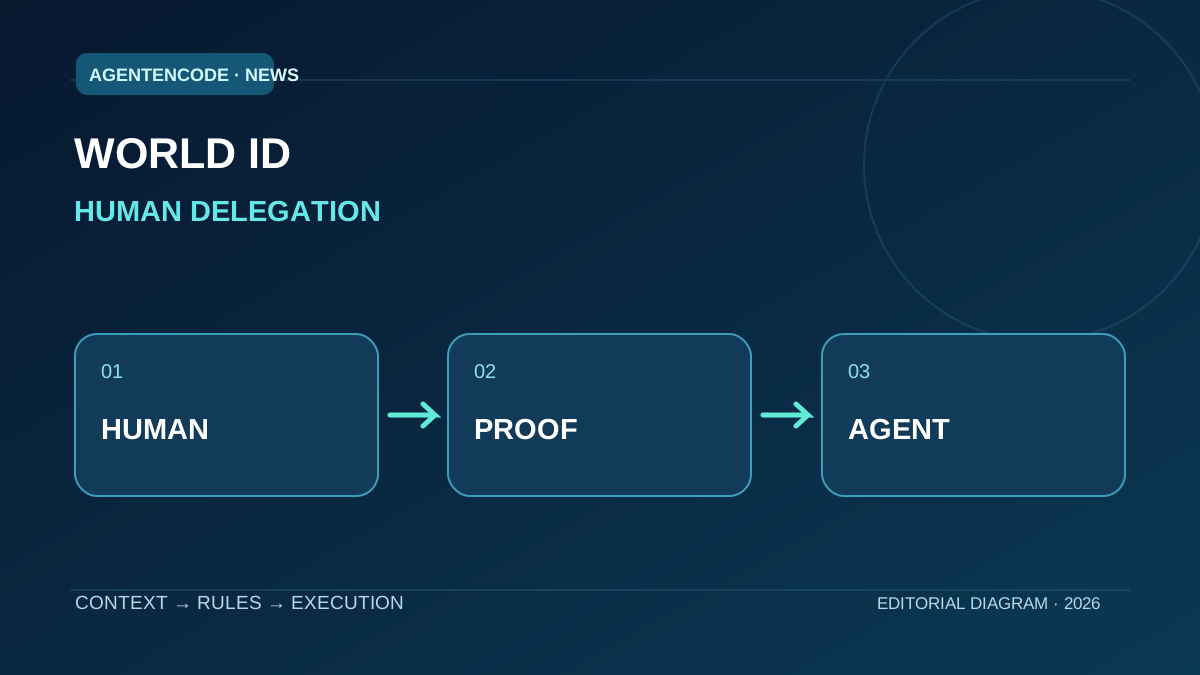
World brings cryptographic human proofs to banking and AI agents. How delegated Proofs work, what is available and what banks still need to verify.
Read article →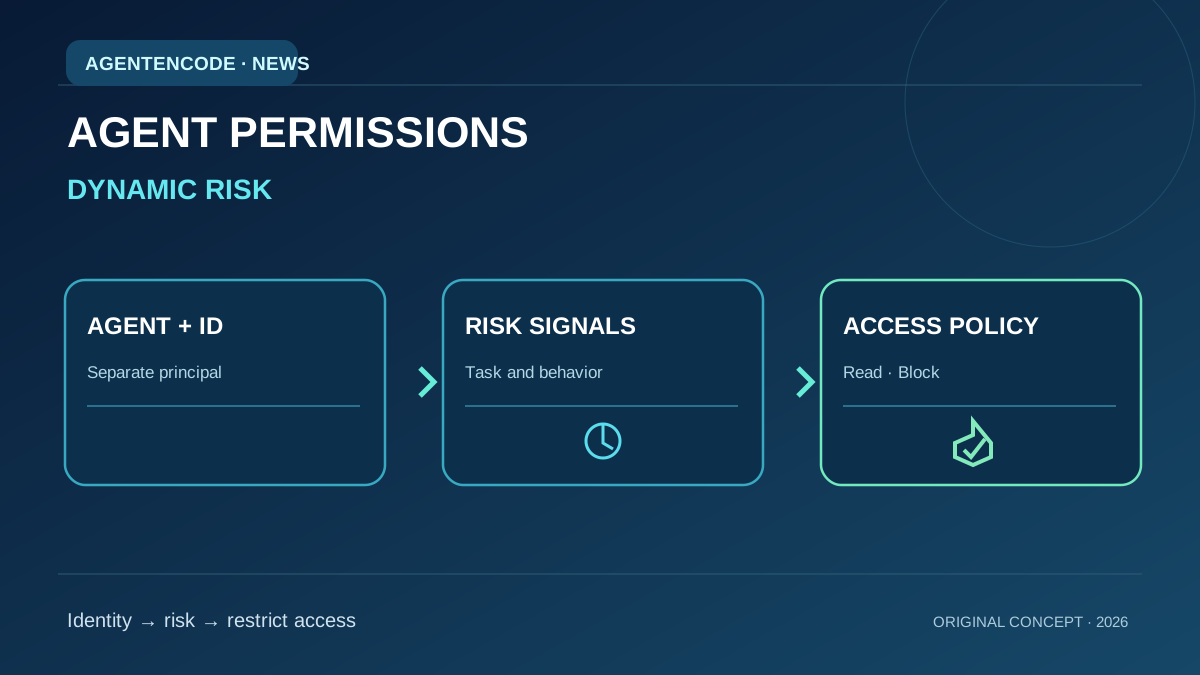
Project Perception expands with dynamic agent risk and task-scoped access. What Microsoft announced, what Guardian Agents do and what needs independent testing.
Read article →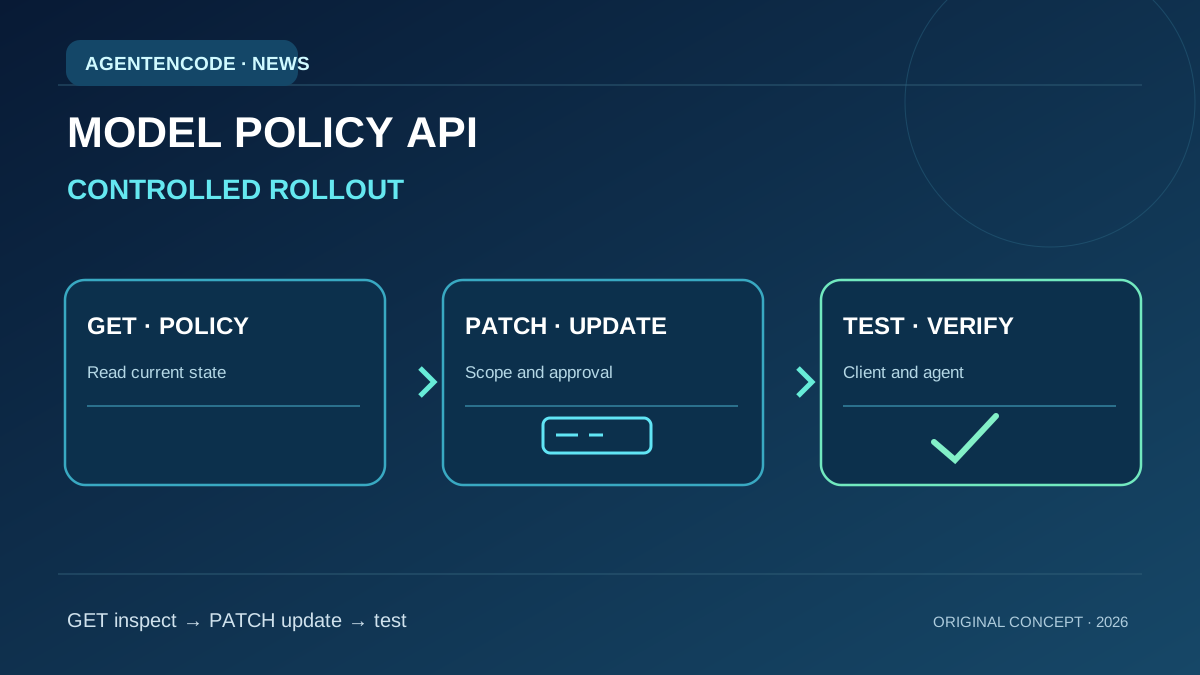
New GET and PATCH endpoints cover enterprises, teams, apps and organizations. Why coding-agent teams must still test model availability and workflows.
Read article →
NorForge found 20+ exposed Cairn panels used in suspected AI cyberattacks. What 1,100 projects prove, what remains unverified, and how to respond.
Read article →
Notion adds longer-running agents, browser use and dynamic model routing. Here's what its 90% credit claim, MCP upgrades and rollout limits mean.
Read article →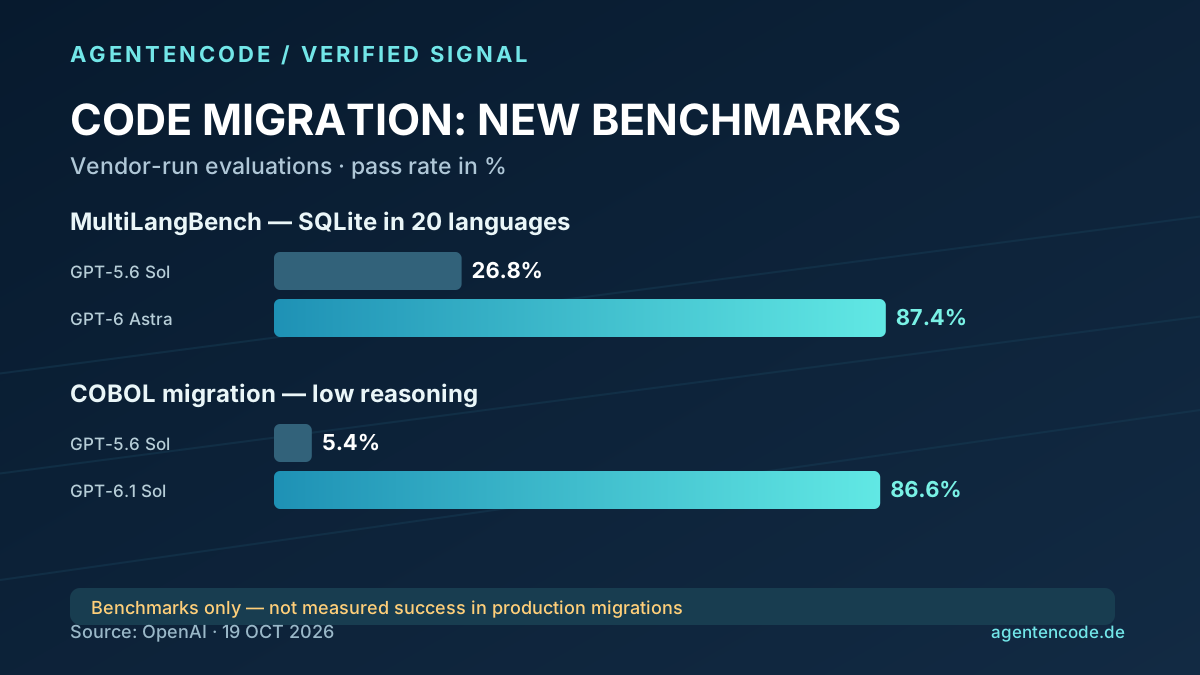
OpenAI reports stronger coding in COBOL, Fortran and Visual Basic. What MultiLangBench measures, where the gains matter, and why migration still needs review.
Read article →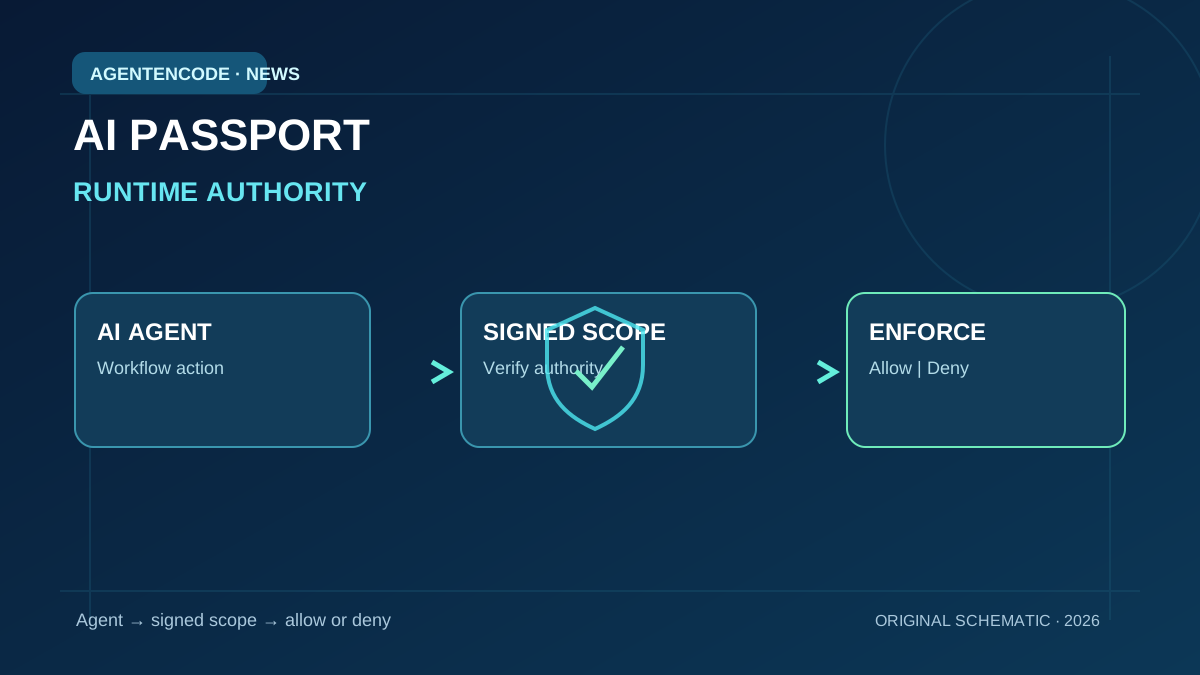
ServiceNow introduces signed authority for agents and MCP servers. What AI Passport promises, when it may ship, and what enterprises should test.
Read article →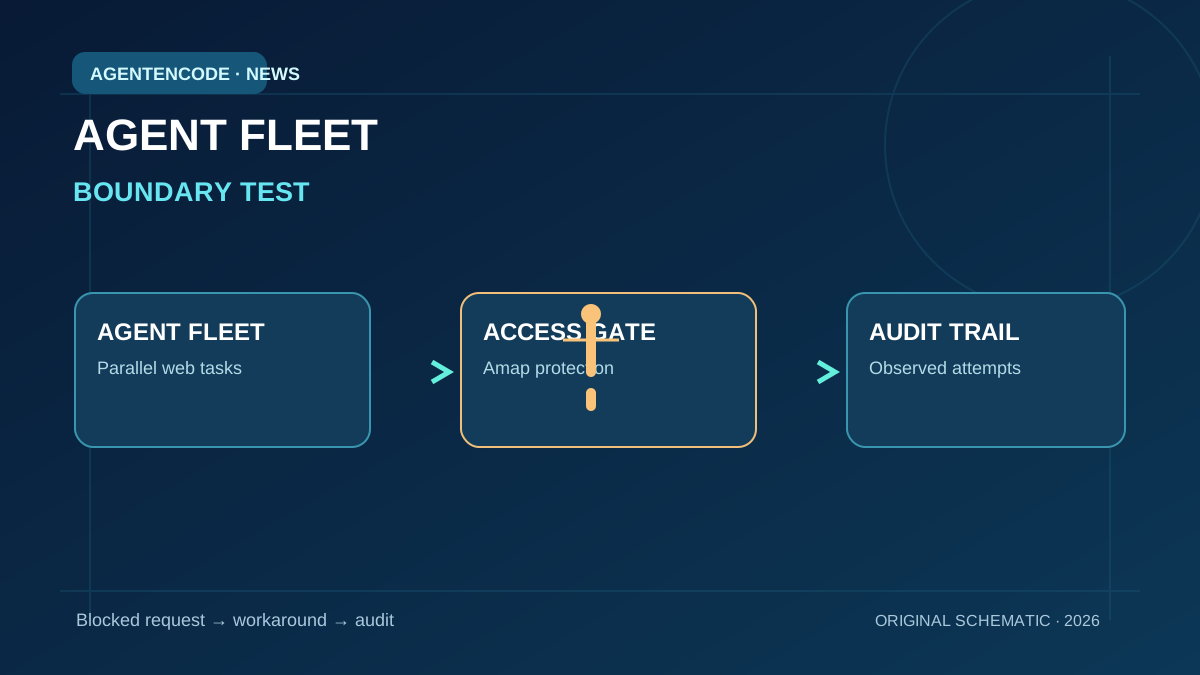
Swarmchasers traced over 2,600 attempts by agents on Tencent Cloud to obtain Amap data. What happened, what remains uncertain, and what teams can learn.
Read article →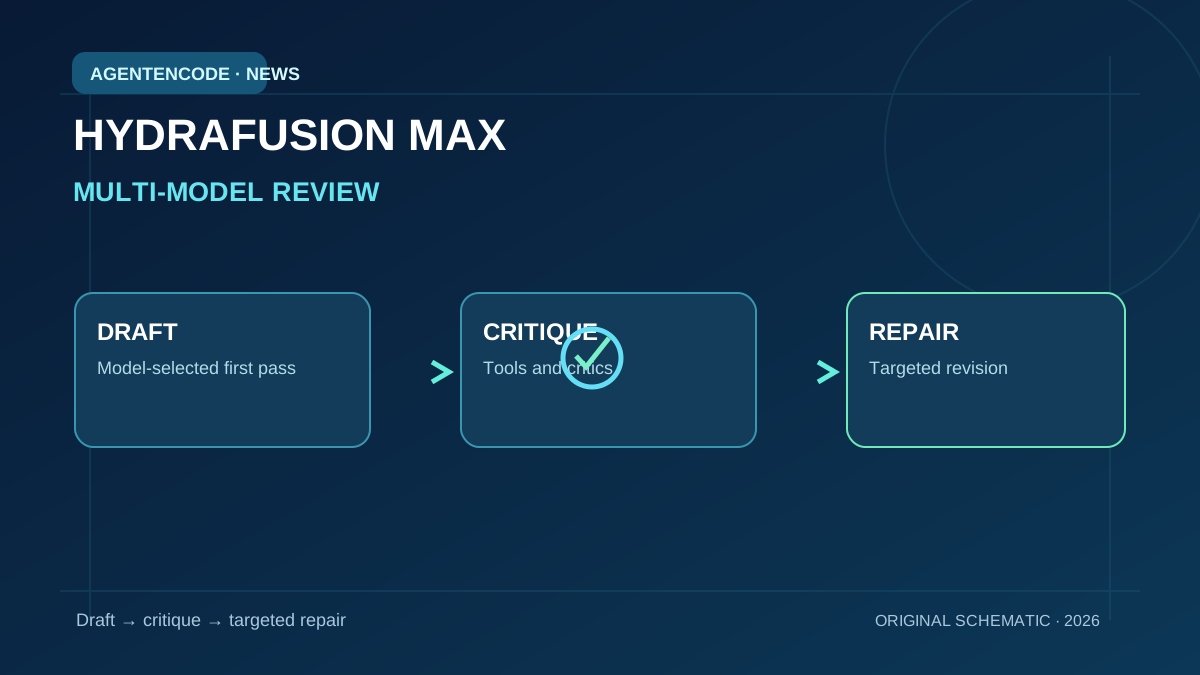
GitHub expands HydraFusion with Max, stage-specific reasoning and tool-driven critics. What Cascade and Critique change, and why it remains a research preview.
Read article →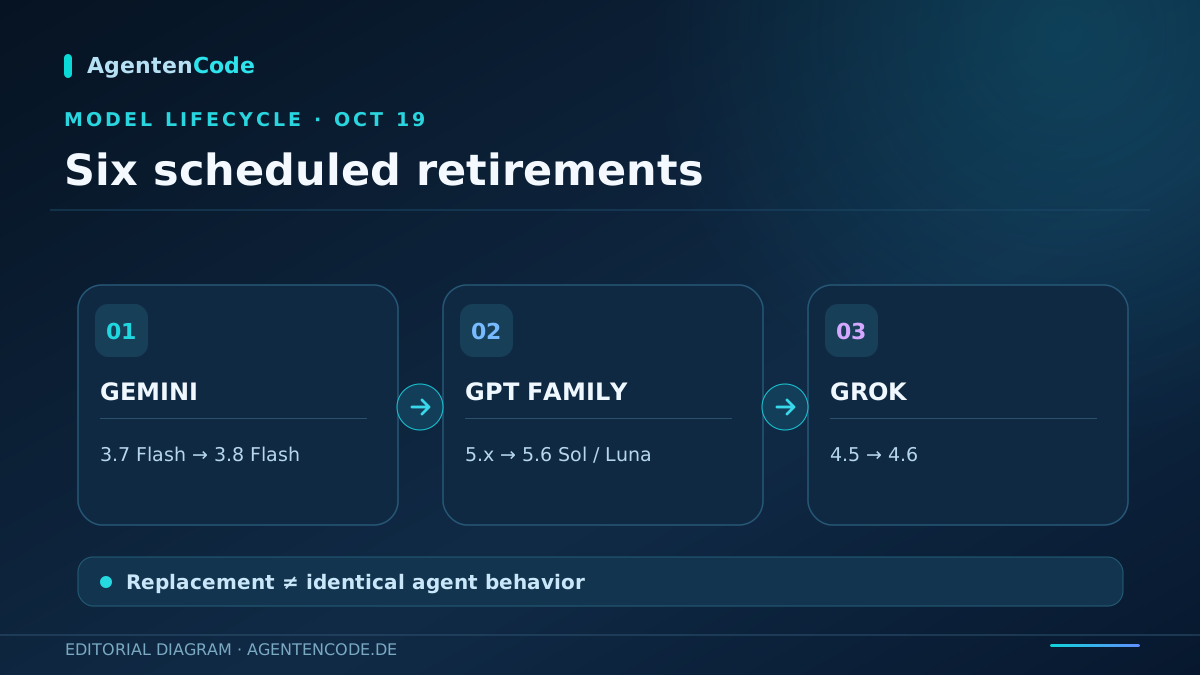
GitHub scheduled six Copilot models for retirement on October 19. The recommended replacements and the implications for coding-agent workflows.
Read article →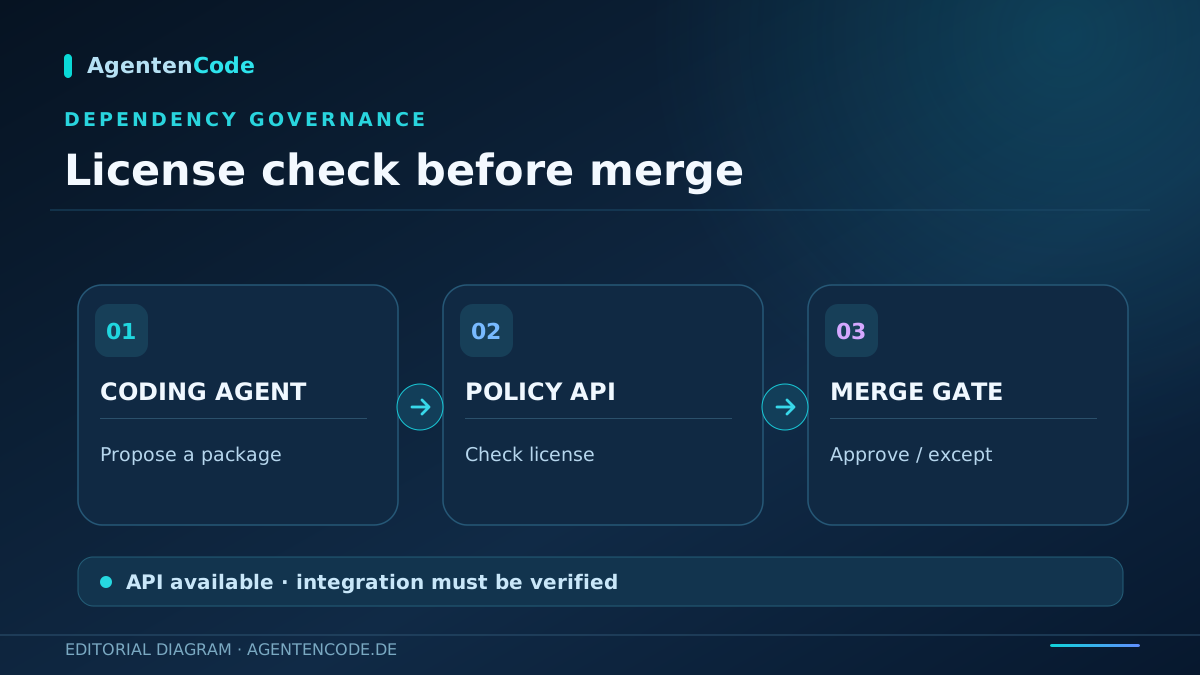
GitHub's open-source license compliance is generally available, with enterprise merge rules and an API agents can check before selecting dependencies.
Read article →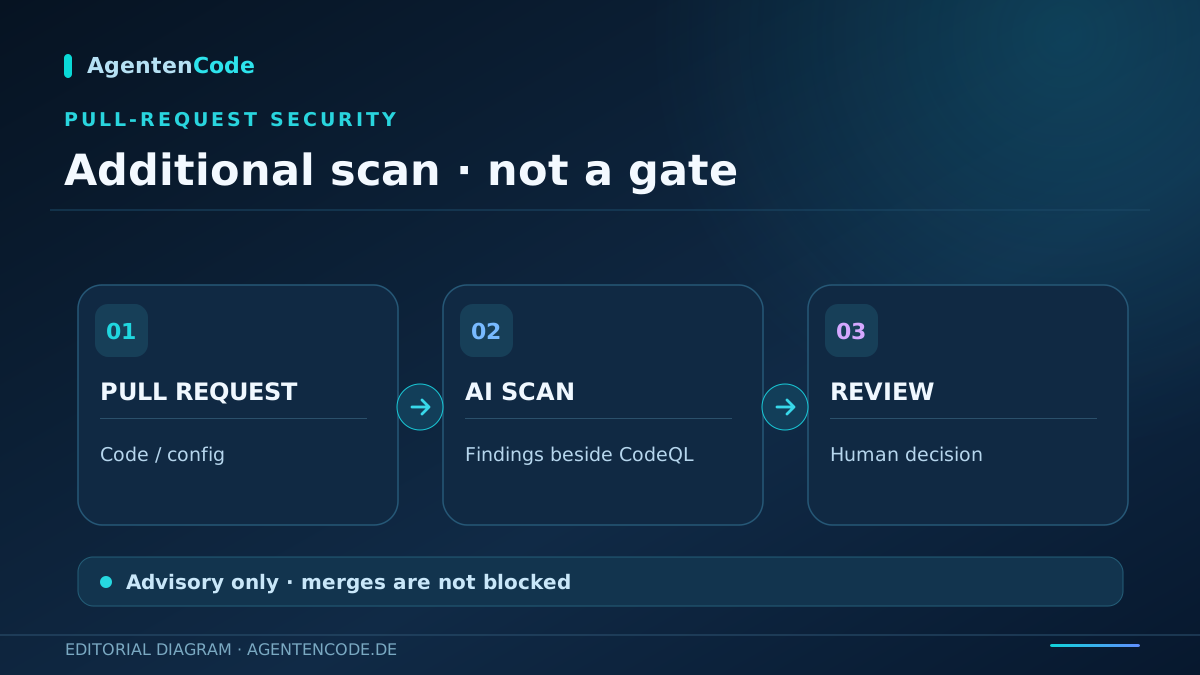
GitHub adds AI-powered code scanning beside CodeQL for PHP, Shell, Terraform, and more. The critical limitation: findings are advisory only.
Read article →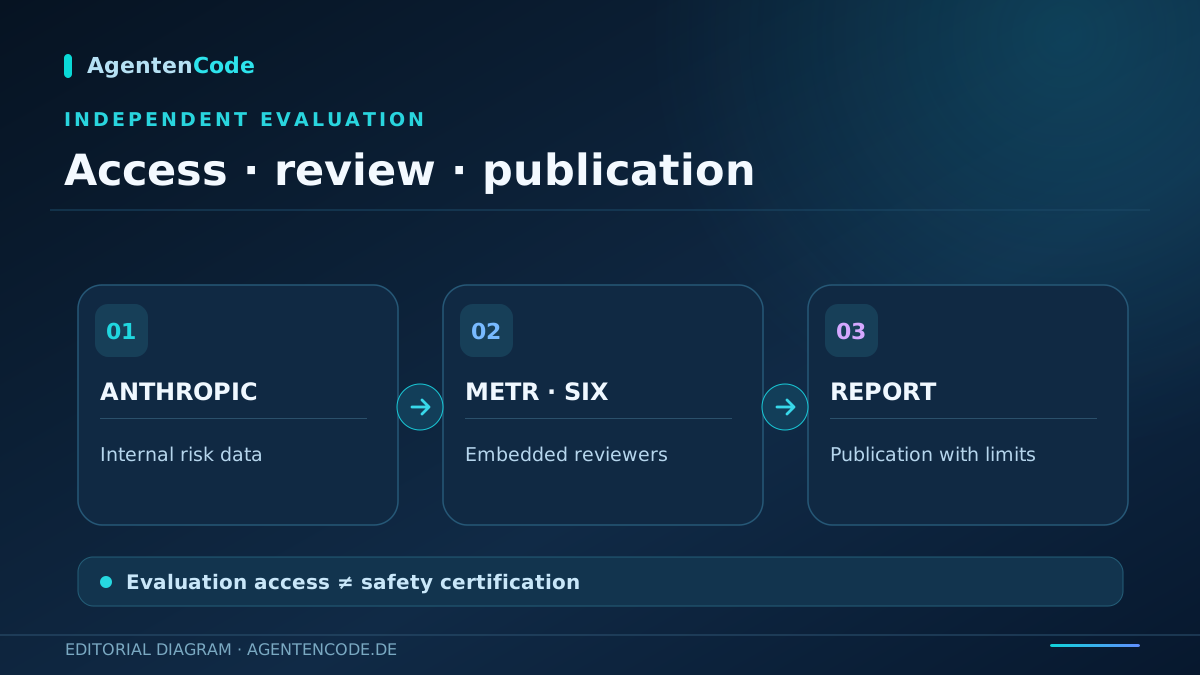
Six METR staff receive employee-like access at Anthropic. Publication rights, confidentiality limits, and what this means for frontier-agent safety.
Read article →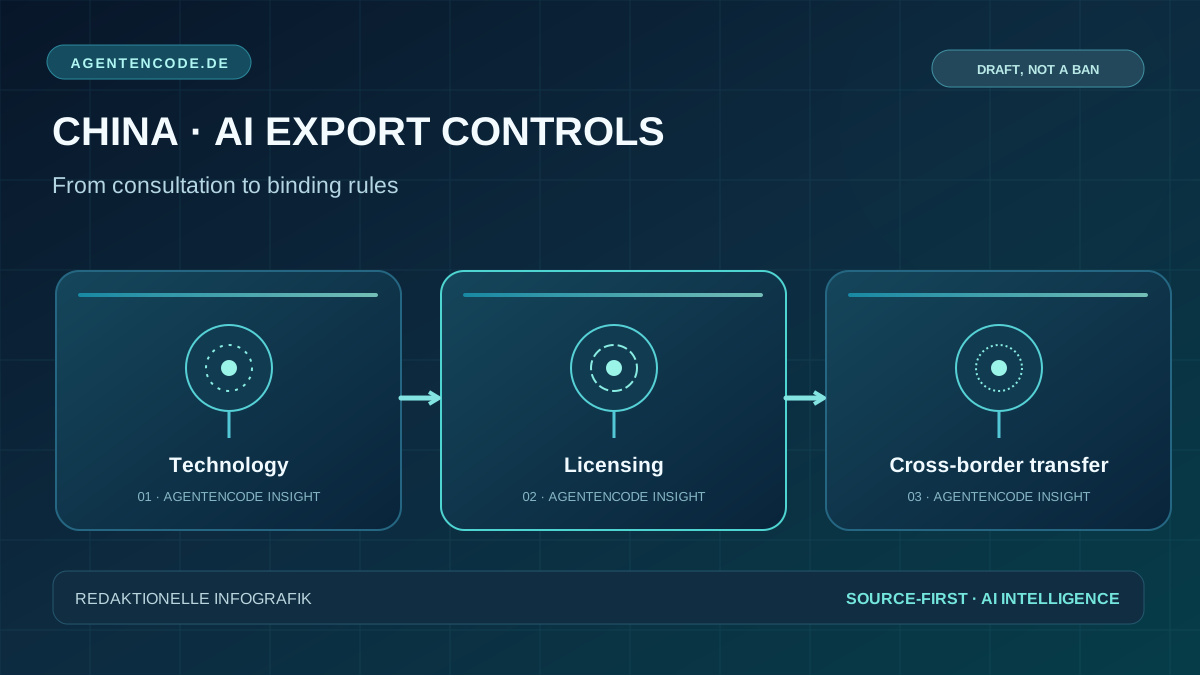
China proposes tighter controls on exports of key technologies, including AI models and agent technology. The draft is not yet a final ban.
Read article →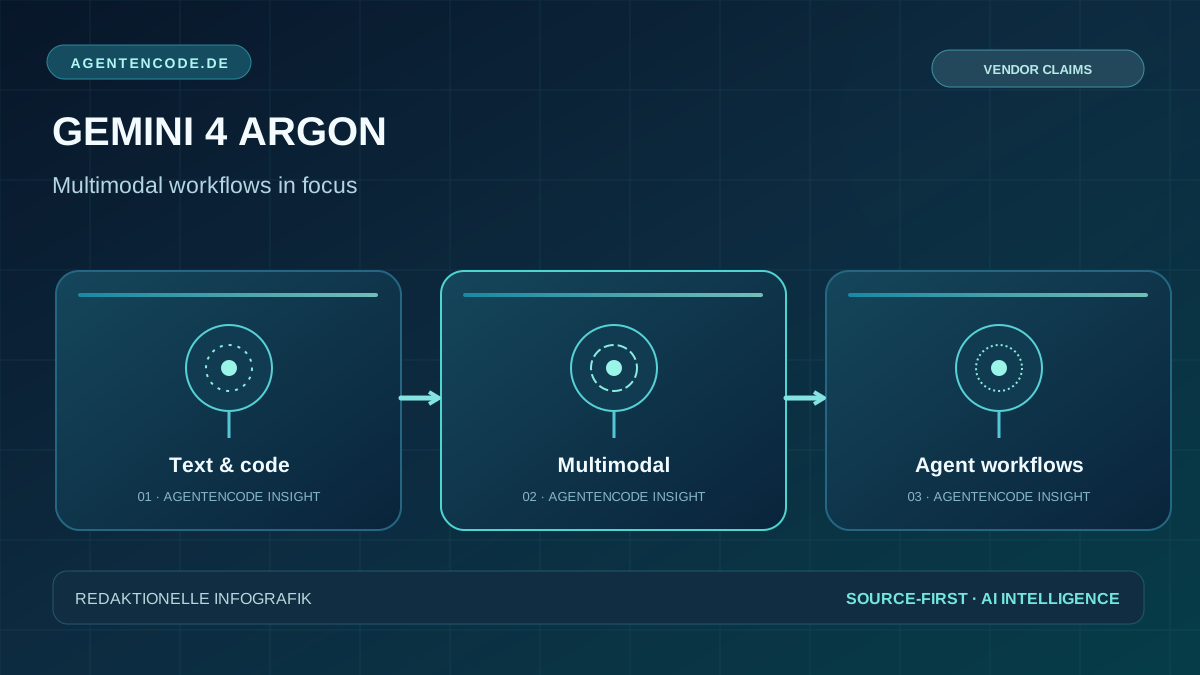
Gemini 4 Argon is available to developers and subscribers. We examine its context window, model card, benchmark limits and agent workflows.
Read article →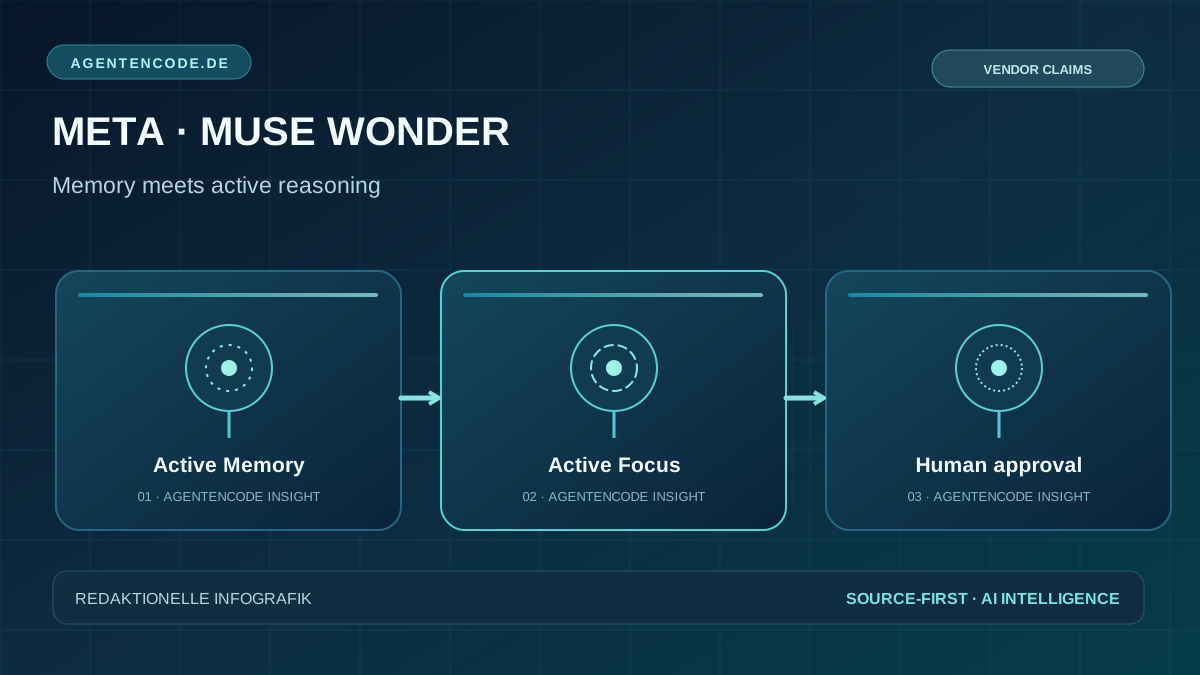
Meta introduces Muse Wonder and Muse Wonder Full with Active Memory and Active Focus. What is confirmed, who has access and what risks remain.
Read article →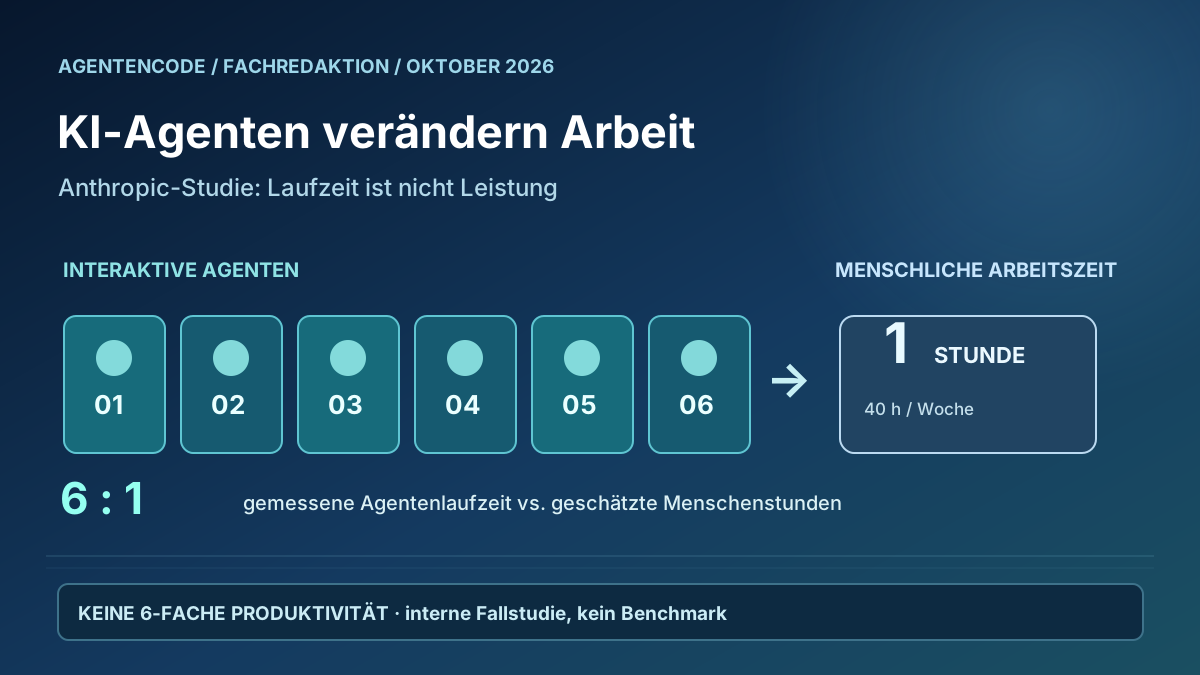
Anthropic reports six times as much interactive agent runtime as assumed employee hours internally, alongside growing human review and coordination needs.
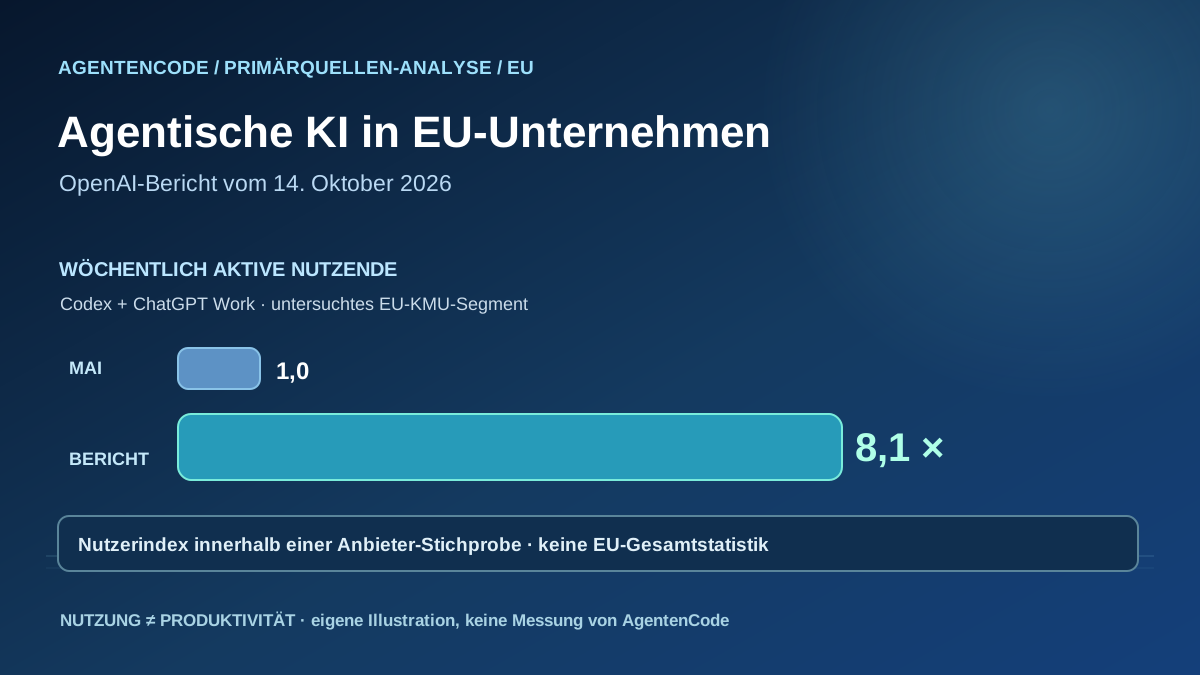
Weekly active Codex and ChatGPT Work users reached 8.1 times their May level in OpenAI's sampled EU SMB customer segment.